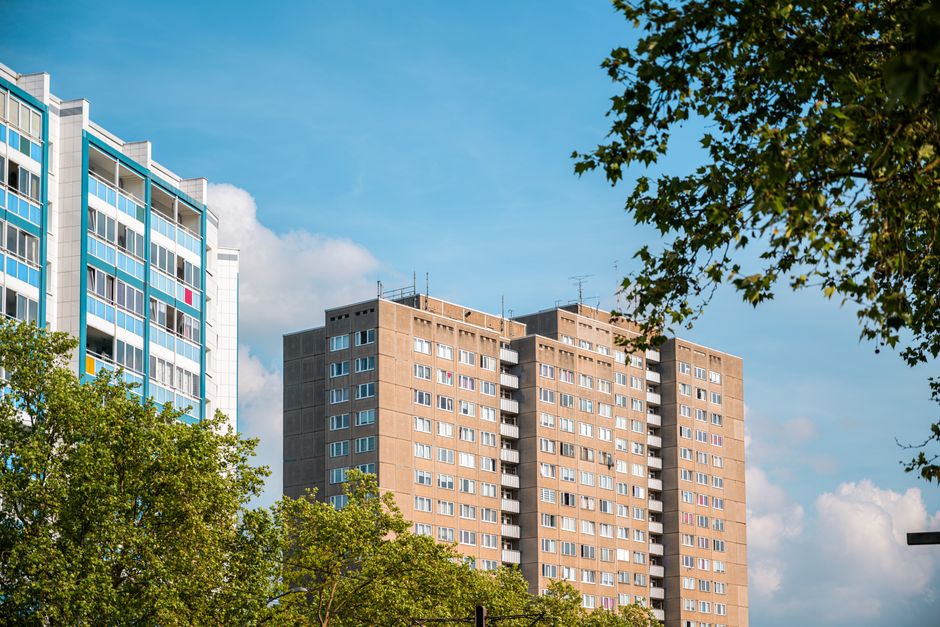
E3 Deep Clean Checklist for Bow Flats Near Mile End Park
If you live in a Bow flat near Mile End Park, a proper deep clean can feel less like a tidy-up and more like a reset. Dust settles in odd corners, kitchen grease builds up quietly, and bathroom limescale always seems to appear overnight. This guide gives you a practical E3 deep clean checklist for Bow flats near Mile End Park, with room-by-room steps, common pitfalls, and a realistic approach to getting a flat genuinely clean, not just surface-presentable.
Whether you are moving out, freshening up before guests arrive, or trying to get on top of a flat that has simply drifted into "lived-in" territory, the aim is the same: make the space feel healthier, brighter, and easier to maintain. And to be fair, when you are dealing with a compact London flat, a smart checklist saves time, energy, and a fair bit of frustration.
Why E3 Deep Clean Checklist for Bow Flats Near Mile End Park Matters
Bow flats have their own rhythm. You get busy foot traffic, compact layouts, vented kitchens, shared building touchpoints, and the usual London mix of outside grit, rainwater, and daily life. Mile End Park is lovely nearby, but that green space also means more outdoor dust, pollen in season, and shoes bringing in a bit of the world with them. Nothing dramatic. Just enough to make a regular tidy insufficient.
A deep clean matters because it reaches the things you stop noticing. The skirting behind the sofa. The top edge of kitchen cabinets. The extractor fan. The little line of grime around taps. If you leave those layers alone, they quietly affect how the whole flat feels. The place can look clean at first glance and still feel sticky, stale, or dull in the wrong light.
For many Bow residents, this checklist is also about timing. End of tenancy? Pre-tenancy? Post-renovation? Before parents visit, and you want the flat to smell fresh rather than "closed up"? Each of those situations benefits from a deeper reset. You do not need a perfect home. You need one that feels properly cared for.
If the job feels bigger than a one-person weekend, it may be worth comparing options through pricing and quotes or looking into a broader deep cleaning service. That does not mean you are failing at housework. Sometimes the honest answer is just: this needs proper equipment and more than one pair of hands.
How E3 Deep Clean Checklist for Bow Flats Near Mile End Park Works
The checklist works by moving from the least forgiving areas to the most detailed ones, while keeping the clean logical. Start high, finish low. Start dry, then move to damp or wet work. That way you are not re-dusting a shelf you just wiped five minutes earlier. Obvious, yes. Still easy to get wrong when you are halfway through a flat and coffee is wearing off.
In practice, a deep clean checklist for a Bow flat usually covers:
- dust removal from top surfaces and awkward edges
- kitchen degreasing and appliance detailing
- bathroom descaling and sanitising
- floor and carpet treatment
- soft furnishings, windows, and high-touch points
- final inspection for smells, stains, and missed spots
The useful part is that it is adaptable. A studio flat near Mile End Road needs a different pace from a two-bed overlooking a quieter side street. A compact place often has fewer rooms but more concentrated build-up. Small space, big mess. Strange but true.
If you are dealing with a rental turnover, a combined approach may help. For example, an end of tenancy cleaning package may make more sense than piecemeal room-by-room cleaning, especially when the move-out deadline is tight and the kitchen is the kind of place where time seems to vanish.
Key Benefits and Practical Advantages
The biggest benefit of using a checklist is consistency. It prevents the classic deep-clean mistake of spending ages in one room and then running out of energy before the rest of the flat has had the same attention. You end up with a much more even result. That matters if you are preparing for inspection, moving, or just trying to feel settled again.
Other practical advantages include:
- Better time control: you can split the work into manageable stages instead of trying to do everything at once.
- Less wasted effort: the sequence reduces backtracking and duplicate work.
- Improved hygiene: hidden dirt, grease, and buildup are removed from high-use zones.
- Clearer priorities: you know which jobs need elbow grease and which need specialist treatment.
- More predictable results: especially useful when you are comparing self-cleaning with a professional visit.
There is also a mental benefit. A flat can feel cluttered in your head long before it looks disastrous in person. Clearing the grime from mirrors, taps, and worktops can make the whole place feel lighter. Not magical. Just human.
Expert summary: A deep clean checklist is most effective when it follows a fixed order, tackles the dirtiest zones first, and reserves final checks for details like odour, corners, and touchpoints. That is where the real difference shows up.
Who This Is For and When It Makes Sense
This checklist is for anyone in an E3 flat who wants a proper reset rather than a quick wipe-down. In our experience, it is especially useful for:
- tenants preparing to move out
- new tenants moving into a flat that needs a real fresh start
- busy professionals who have let the place drift for a while
- families living in compact flats with heavy daily use
- hosts preparing for short-stay guests
- landlords wanting a reliable standard between occupiers
It also makes sense after builders have left dust behind, or when you have had a run of bad weather and the hallway, windowsills, and floors are showing it. If the flat has recently had work done, a dedicated after builders cleaning approach can save you from trying to remove fine dust with household tools that were never really meant for the job.
A good rule of thumb: if the clean needs ladder access, specialist stain treatment, or more than one full day of your time, it is no longer just routine cleaning. It is a project. Nothing wrong with that, by the way. Projects can be planned.
Step-by-Step Guidance
1. Start with airflow and clutter control
Open windows where possible, gather laundry, move bin bags out, and clear surfaces so you can actually reach them. In a Bow flat, clutter tends to hide in plain sight on radiators, chair backs, and the nearest flat surface. Start by removing that friction.
2. Work from top to bottom
Dust light fittings, picture frames, shelves, wardrobe tops, and the tops of doors before moving to mid-level surfaces. Finish with floors. This avoids the annoying business of dust landing on areas you have already cleaned. There really is no point polishing a coffee table and then brushing crumbs across it.
3. Deep clean the kitchen in layers
The kitchen usually takes the longest. Begin with cupboard fronts, handles, splashbacks, and extractor areas. Then move to appliances. If the oven has stubborn baked-on residue, a specialist oven cleaning treatment can be a sensible time-saver, especially before inventory checks or if the grill tray has turned into archaeological evidence.
Also clean behind smaller appliances where you can safely reach. Kettle splashes, toaster crumbs, and fridge seals are small jobs that make a big difference. A kitchen can smell clean or slightly off based on those tiny details alone.
4. Focus on the bathroom's trouble spots
Bathrooms need patience more than aggression. Treat taps, shower screens, grout, tiles, basins, toilets, and extractor grilles in a sequence. Descale where needed, but do not scrape surfaces too hard. If limescale has been sitting for a while, give products time to work instead of attacking the area like you are sanding a bench. Gentler usually wins.
5. Deal with floors according to material
Hard floors, vinyl, laminate, and tile should be swept or vacuumed first, then cleaned with the right solution. If your flat has timber-effect flooring or real wood, avoid soaking it. For stubborn dirt, a tailored hard floor cleaning approach is safer than guesswork. Different materials behave differently. Annoying, yes. Important, also yes.
6. Refresh carpets and rugs
Carpets near entrances and living areas trap a lot of footfall dust. Vacuum slowly, not in one rushed pass. Spot-treat marks before you clean more broadly. If you have a rug that holds onto odours or pet marks, rug cleaning or pet stain and odour removal may be worth considering rather than trying to overpower the smell with fragrance sprays. That never ends well.
7. Finish with windows, edges, and touchpoints
Window ledges, handles, switches, skirting boards, and door frames are the last details that make a place feel genuinely finished. If the glass is streaky or the frames are dusty, the room reads as unfinished even when the rest is good. A clean window can change the feel of a small flat more than people expect.
For a more specific treatment, especially if the flat has neglected exterior-facing windows or hard-to-reach panes, window cleaning is a strong add-on to the checklist.
Expert Tips for Better Results
First, use two cloths instead of one when possible: one for dirt removal and one for drying or polishing. That simple split avoids smearing residue around. Second, let cleaning products sit for the recommended dwell time. Wiping too quickly often means you are just moving grime around the room. Slightly rude of the grime, really.
Third, test any product on a small hidden patch if you are unsure about the surface. This matters on older fixtures, painted wood, and delicate upholstery. Not every surface welcomes the same treatment. Some are surprisingly fussy.
Fourth, if your flat has soft furnishings that hold onto smells, pair the general deep clean with a specific upholstery or fabric treatment. A focused upholstery cleaning service can help with armchairs, dining chairs, or fabric headboards that absorb everyday life in a way you only notice when the smell changes on a damp day.
Fifth, do your final walk-through in natural daylight if possible. Early morning or late afternoon light shows dust, streaks, and missed corners far better than the warm glow of a ceiling bulb. It is a tiny thing, but it catches problems fast.
Common Mistakes to Avoid
One of the biggest mistakes is starting with the floor. That sounds efficient until you drop dust from shelves or crumbs from cupboards straight back onto it. Another common slip is cleaning in one room without a plan, then circling around the same area later because you missed something obvious. Happens all the time.
Other mistakes worth avoiding:
- using too much product, which leaves residue behind
- cleaning cloths that are already dirty
- ignoring extractor fans, skirting, and top edges of doors
- soaking laminate or timber flooring
- trying to remove deep stains without pre-treatment
- forgetting final odour checks after bin areas and kitchen bins
There is also the "I'll just do the visible parts" trap. Understandable, especially when you are tired. But in a flat near Mile End Park, visible and invisible dirt tend to team up. The place only feels properly clean when the hidden bits are handled too.
Tools, Resources and Recommendations
You do not need an enormous kit, but you do need the right basics. A sensible deep-clean toolkit for a Bow flat usually includes:
- microfibre cloths
- vacuum with crevice tools
- mop suitable for your floor type
- non-abrasive sponge pads
- degreaser for kitchen surfaces
- bathroom descaler
- glass cleaner or streak-free finishing method
- rubber gloves
- small detailing brush for corners and vents
For larger jobs, or if you want a stronger finish without buying specialist equipment, it can help to look at professional options such as one-off cleaning, house cleaning, or move out cleaning. Those services are often useful when life has been busy and the flat needs more than a Saturday spruce-up.
If your flat has carpets in several rooms, a dedicated carpet cleaning or even steam carpet cleaning treatment can improve the overall finish. For sofas and larger fabric items, sofa cleaning can make the sitting room feel much fresher, which matters more than people admit.
Law, Compliance, Standards, or Best Practice
For private flats, deep cleaning is usually guided more by best practice than by a single universal rule. That said, if you are a tenant, landlord, or managing agent, it is sensible to keep cleaning standards aligned with tenancy expectations, property condition, and any agreed inventory requirements. The detail matters most at the start and end of an occupation.
From a practical UK perspective, safe use of cleaning chemicals, good ventilation, and proper handling of wet floors are part of responsible housekeeping. If you are using commercial-grade products or anything with stronger instructions, follow the label carefully. More product does not mean more clean. It often means more residue, and sometimes more hassle.
For added reassurance, it can help to choose a provider that makes its approach to safety and processes clear. Cleaner Bow provides information on health and safety policy, insurance and safety, and recycling and sustainability. Those pages are useful if you want to understand how a company handles practical responsibilities as well as cleaning results.
If you are booking online or discussing a service, payment transparency and terms matter too. That is where payment and security and terms and conditions become part of a sensible decision, not just fine print.
Options, Methods, or Comparison Table
There are a few ways to tackle a deep clean in a Bow flat. The right choice depends on time, condition, and how much detail you need. Here is a straightforward comparison.
| Method | Best for | Strengths | Limitations |
|---|---|---|---|
| DIY checklist clean | Small resets, regular maintenance, budget-conscious jobs | Flexible, low cost, full control over timing | Time-consuming, easy to miss hidden grime |
| Room-by-room professional visit | Busy households, move-out preparation, higher standards | More consistent finish, less stress, specialist tools | Needs scheduling and a bigger budget |
| Targeted specialist add-ons | Carpets, ovens, upholstery, odours, hard floors | Tackles the toughest problem areas well | Does not replace a full flat reset |
If you want a blended approach, that is often the smartest route. For example, handle surfaces yourself and bring in specialists for stubborn carpet, oven, or fabric issues. You do not need to choose a single ideology. This is cleaning, not a philosophy exam.
Case Study or Real-World Example
Imagine a two-bedroom Bow flat just off the Mile End Park side of E3. The tenants are moving out on Friday morning. They have kept the place tidy, but the kitchen has built-up grease, the bathroom glass has a cloudy film, and one bedroom carpet has a faint traffic mark near the doorway. It is not a disaster. It just needs proper attention.
The first pass removes clutter, old cleaning bottles, and bits of packaging. The second pass tackles kitchen surfaces, appliance fronts, and the oven. The bathroom gets descaled, the windows are wiped, and the carpets are vacuumed slowly with special care around the entry points. A final check in daylight reveals a streak on one window and a dusty skirting board behind a radiator. Both are fixed before handover.
The result is a flat that feels lighter, smells fresher, and looks properly cared for. Not showroom-perfect. Real-life perfect. That is usually enough.
In a case like that, a professional domestic cleaning visit or a more tailored move in cleaning service can make the difference between a rushed handover and a confident one.
Practical Checklist
Use this as a simple working list for an E3 flat near Mile End Park. Print it, copy it to your phone, or tick it off room by room.
- Open windows where safe and practical
- Remove rubbish, laundry, and loose clutter
- Dust high surfaces, shelves, frames, and light fittings
- Wipe doors, handles, switches, and skirting boards
- Degrease kitchen fronts, splashbacks, and handles
- Clean oven, hob, extractor, and fridge seals
- Descale taps, shower screens, basins, and tiles
- Vacuum carpets, rugs, and edges thoroughly
- Mop hard floors with the correct method for the material
- Clean windows, ledges, and tracks
- Refresh upholstery and soft furnishings if needed
- Check for lingering smells from bins, drains, or fabrics
- Inspect corners, behind appliances, and under furniture
- Do a final walk-through in daylight
Practical tip: if you finish with 20 minutes to spare, spend it on the kitchen and bathroom again. Those two areas usually decide whether a flat feels genuinely clean or just fairly tidy.
Conclusion
A solid E3 deep clean checklist for Bow flats near Mile End Park is less about perfection and more about order, judgement, and following a sensible sequence. When you work methodically, you catch the things that normally get missed: the fan grille, the oven edge, the tap base, the carpet corner, the smell that only shows up once everything else is clean.
That is the real value here. A checklist gives you control. It helps you decide what to do yourself, what to save for a specialist, and what simply needs a bit more time. For many Bow flats, especially the ones that are busy, compact, and always one unexpected week away from chaos, that control is a relief.
If you are weighing up whether to do it yourself or bring in support, start with the scope of the job, the time you have, and the finish you need. The honest answer usually becomes clear pretty quickly.
Get a free quote today and see how much you can save.
And if you are planning ahead, that is not overthinking it. That is just a sensible way to look after your home.
Frequently Asked Questions
What should be included in an E3 deep clean checklist for Bow flats near Mile End Park?
It should include dusting high and low surfaces, kitchen degreasing, bathroom descaling, floor cleaning, window cleaning, appliance detailing, and a final check for stains or odours. The best checklists also include touchpoints like handles and light switches.
How long does a deep clean usually take in a Bow flat?
It depends on flat size, condition, and whether you are doing it alone or with help. A compact flat may still take a full day if the kitchen and bathroom need serious attention. Bigger or neglected spaces take longer. Annoying, but true.
Is a deep clean the same as regular cleaning?
No. Regular cleaning keeps the flat presentable week to week. Deep cleaning reaches built-up dirt, hidden grime, stubborn grease, and neglected edges. It is more detailed and usually much more time-intensive.
Do I need professional help for an end of tenancy clean?
Not always, but it can be a smart choice if time is tight or the flat has problem areas such as ovens, carpets, or heavy limescale. A professional service can reduce the risk of missing important details before handover.
Which areas are usually forgotten in a flat deep clean?
Top edges of doors, skirting boards, extractor fans, behind appliances, window tracks, light switches, and cupboard handles are commonly missed. These small zones have a habit of making the whole flat feel less finished.
Can I deep clean a flat near Mile End Park in one day?
Sometimes, yes. A small flat in decent condition can often be done in a day with good planning. But if the kitchen, bathroom, carpets, and windows all need work, it can spill into a second day very easily.
What is the best way to clean carpets during a deep clean?
Vacuum slowly and thoroughly first, then treat spots before any broader cleaning. If the carpet is heavily marked or holding odours, specialist carpet care such as steam treatment may give better results than a basic vacuum alone.
How can I make my flat smell fresher after cleaning?
Empty bins, clean drains where appropriate, wash soft furnishings, vacuum fabrics carefully, and make sure damp areas dry properly. Fresh air helps too. A clean smell comes from removing sources, not from masking them.
What if my flat has delicate surfaces or older fittings?
Use gentle products, test in a hidden area first, and avoid abrasive pads. Older fittings can be surprisingly sensitive. If you are unsure, it is better to slow down than to damage a surface trying to rush through it.
Are one-off cleaning services useful for Bow flats?
Yes. A one-off clean is a good fit when a flat needs a reset rather than ongoing weekly maintenance. It works well for post-event clean-ups, seasonal refreshes, or periods when life has simply been too full.
How do I choose between DIY and professional cleaning?
Look at three things: time, condition, and the standard you need. If you have a manageable flat and a flexible schedule, DIY may be fine. If the job is large, time-limited, or requires specialist tools, professional help may be the better call.
Can deep cleaning help with move-in preparation?
Absolutely. A move-in clean gives you a fresh base before furniture arrives and daily life begins again. It is much easier to clean empty rooms than to work around boxes, bags, and a half-assembled bed frame.